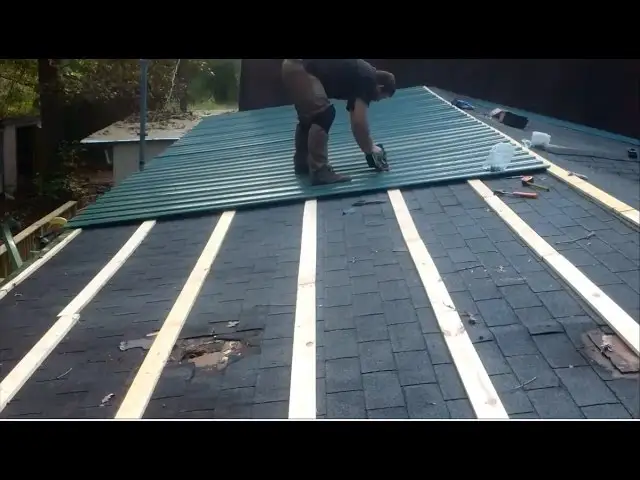
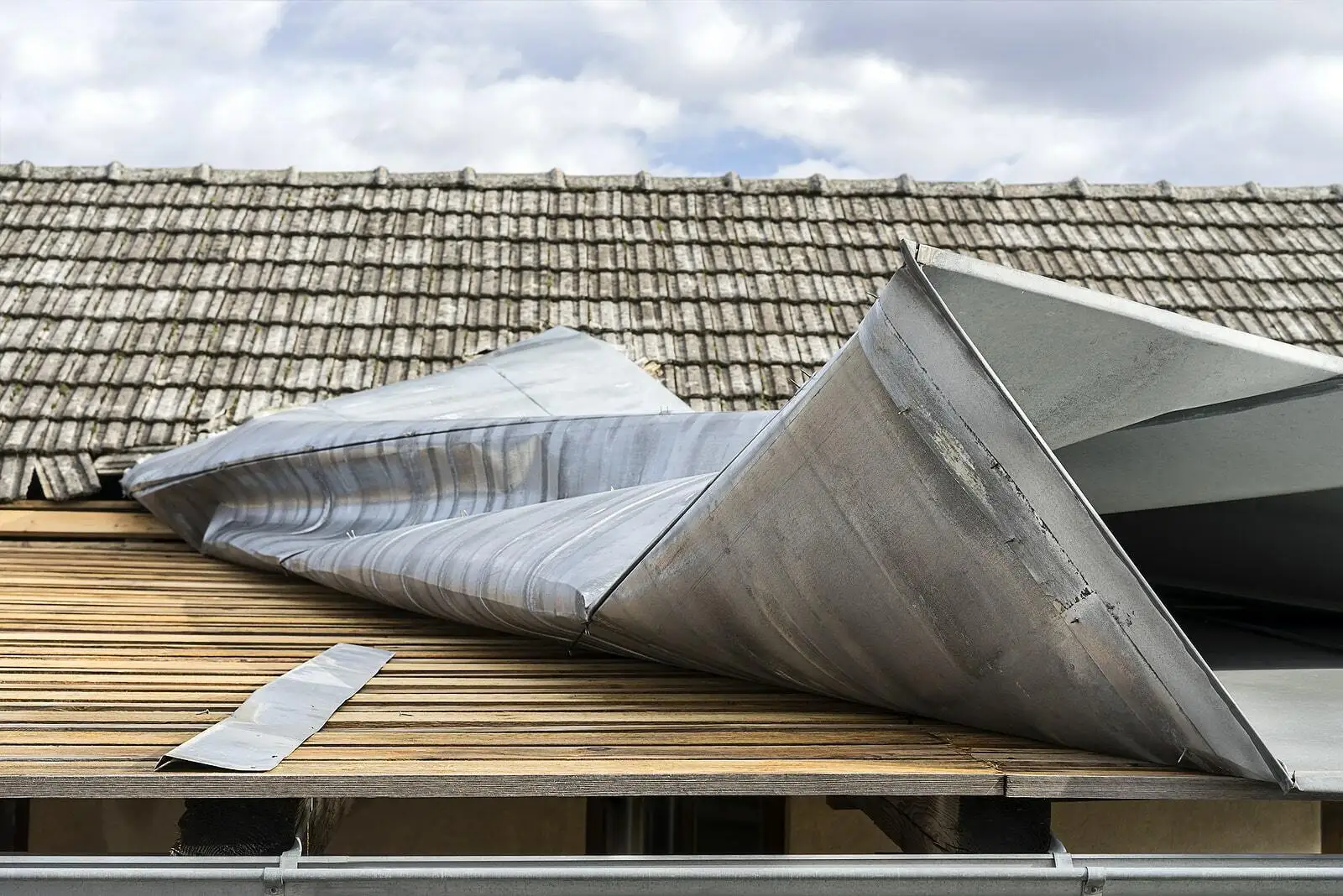
Metal roofs are often installed as a “layover,” meaning they are placed directly over existing shingles and sometimes over decking that may already be rotted or deteriorating.
Metal Roofing Problems
Metal roofs are sometimes installed without proper decking, leaving only rafters and/or insulation beneath them, which can result in fasteners being improperly secured.
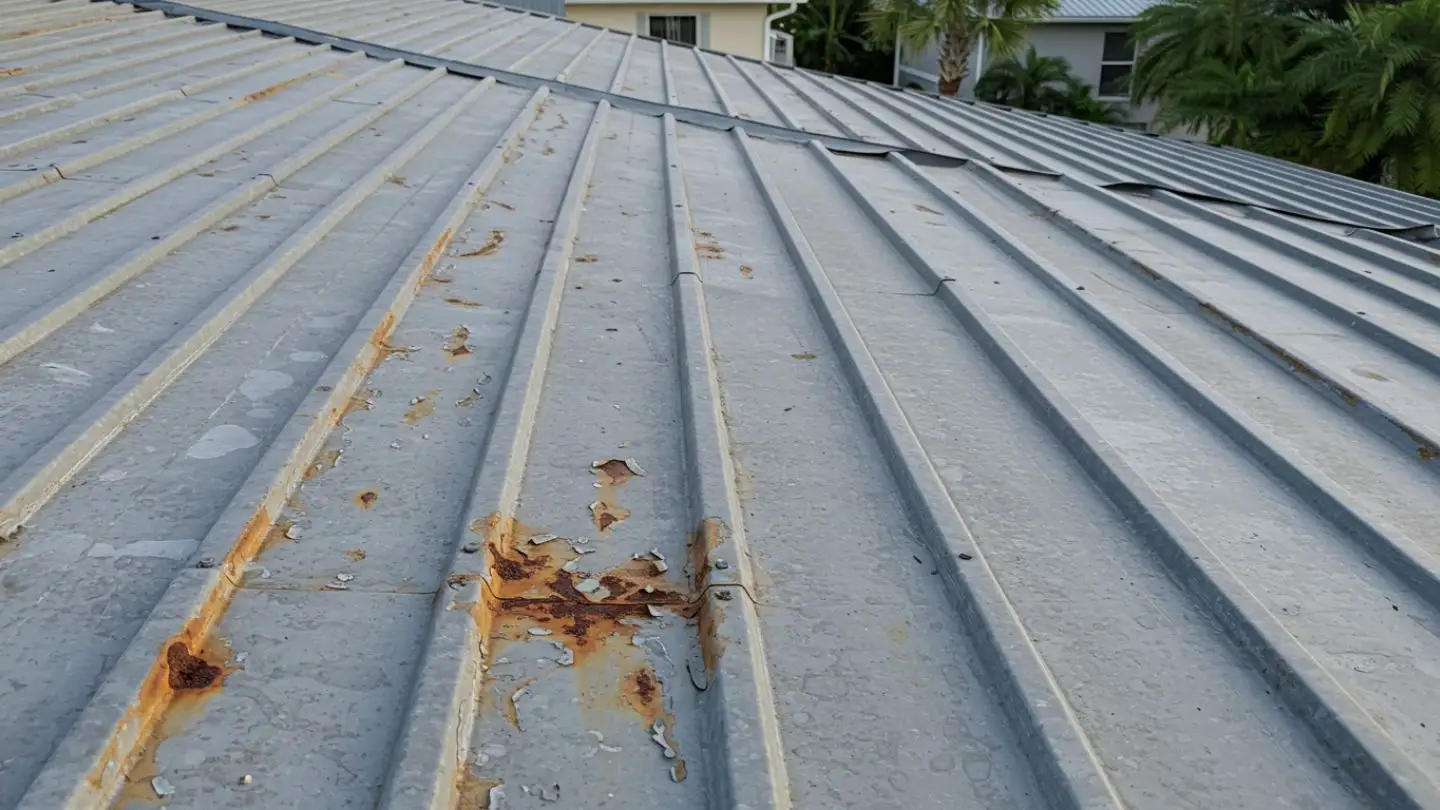
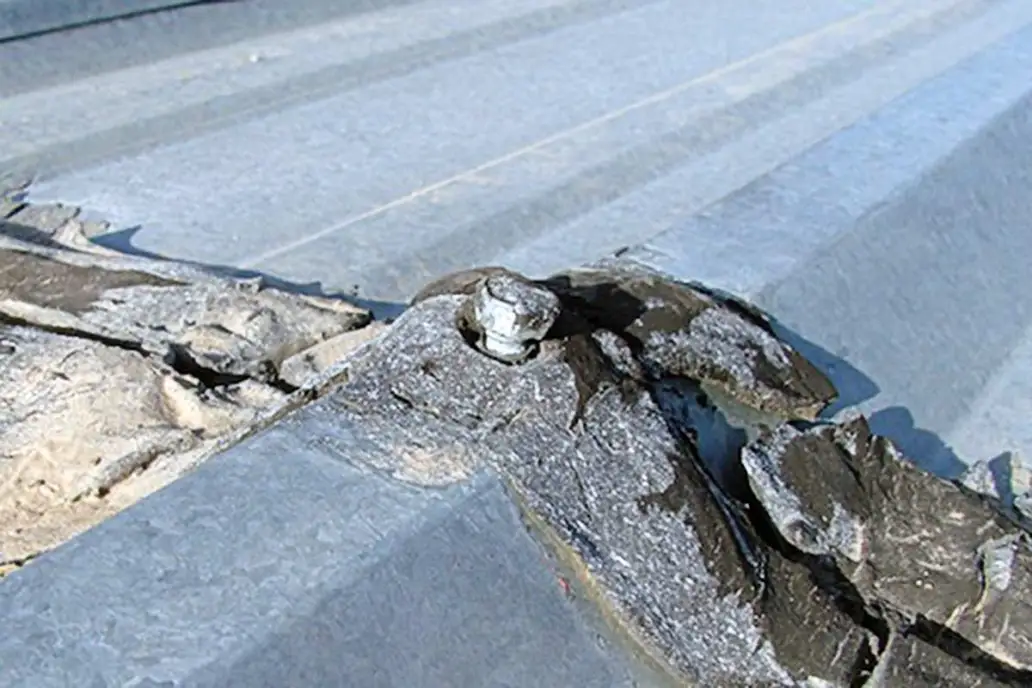
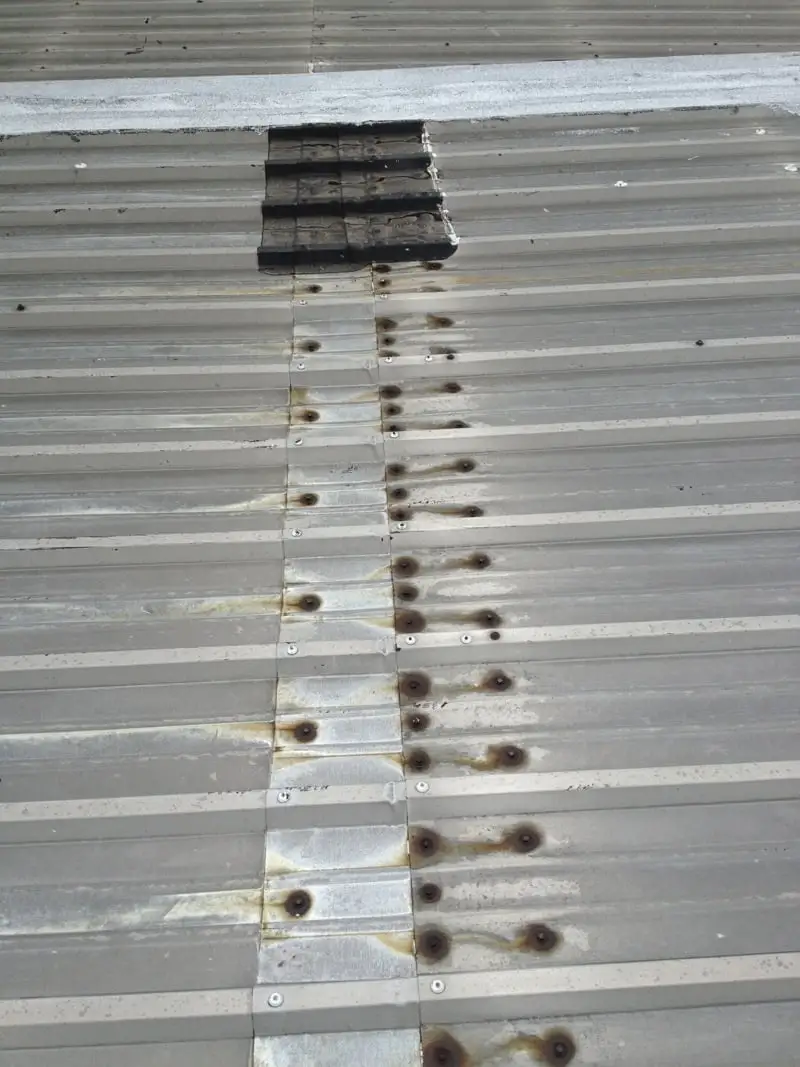
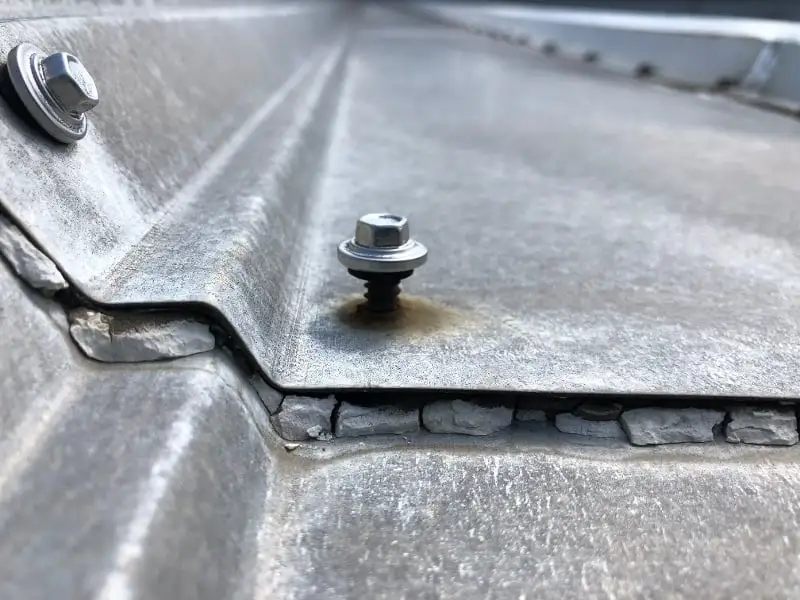
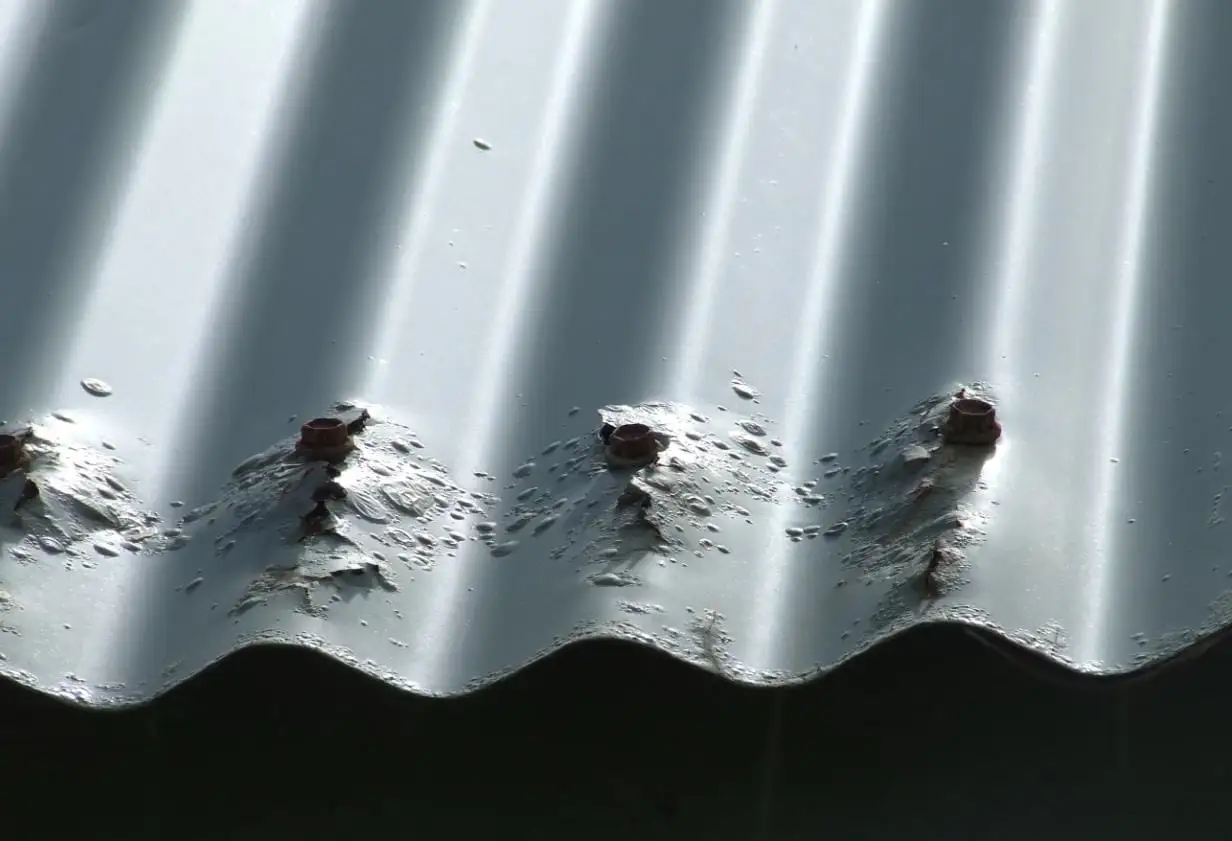
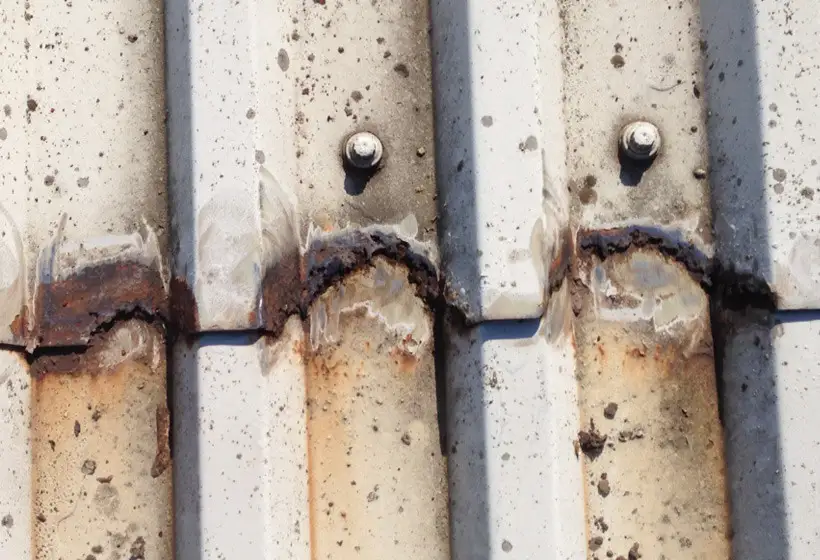
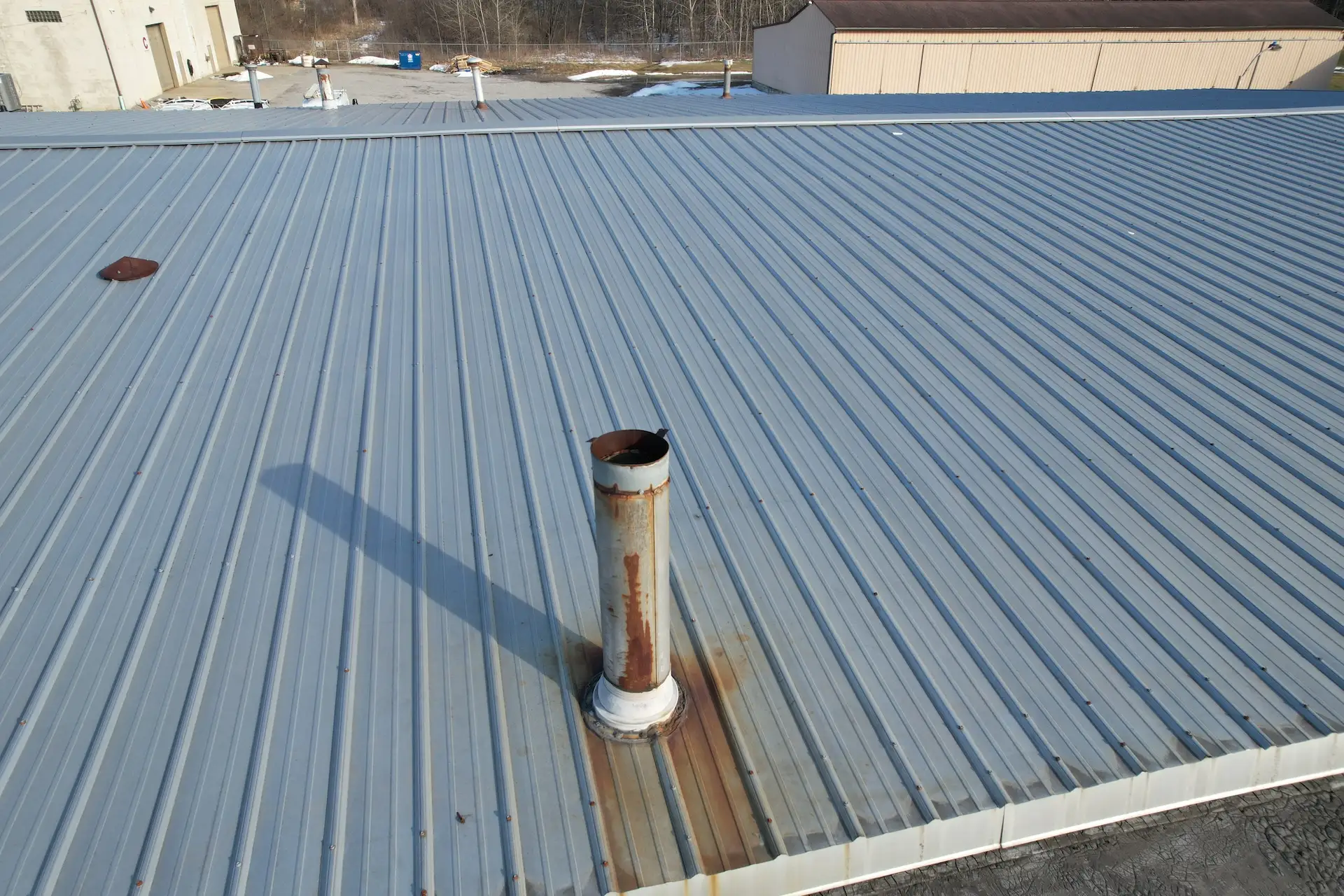
Metal roofs require regular maintenance to maintain warranties and to prevent rust, corrosion, and loosened fasteners.
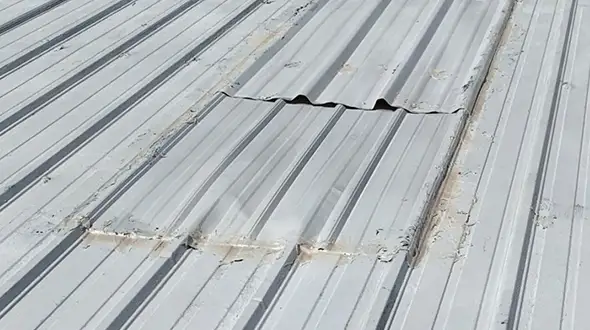
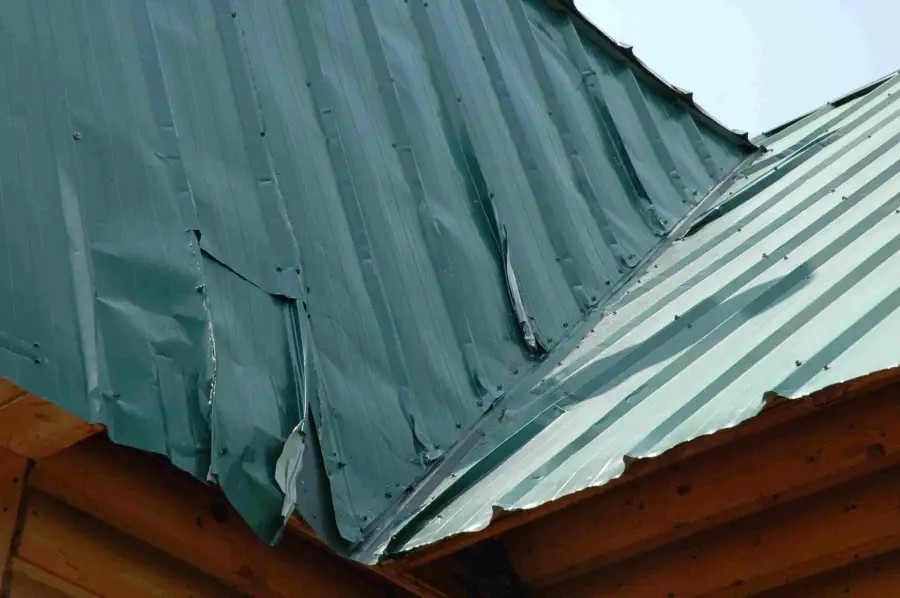
Metal roofs can expand and contrast during temperature changes, which causes the fasteners to loosen over time.
Metal roofs tend to be noisier than shingled roofs during heavy rain, snow, hail, and other severe weather conditions.
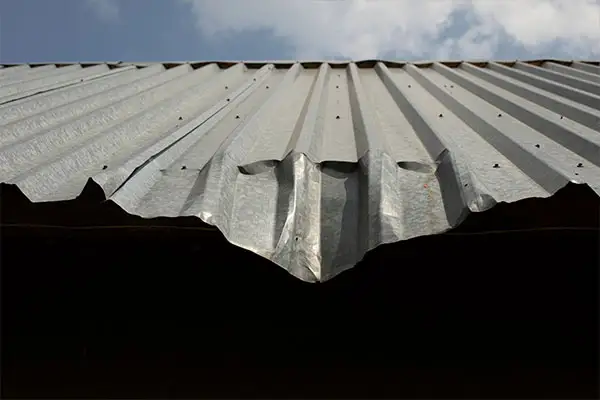
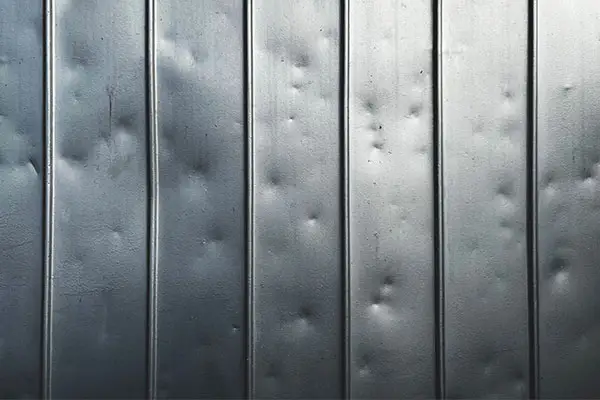
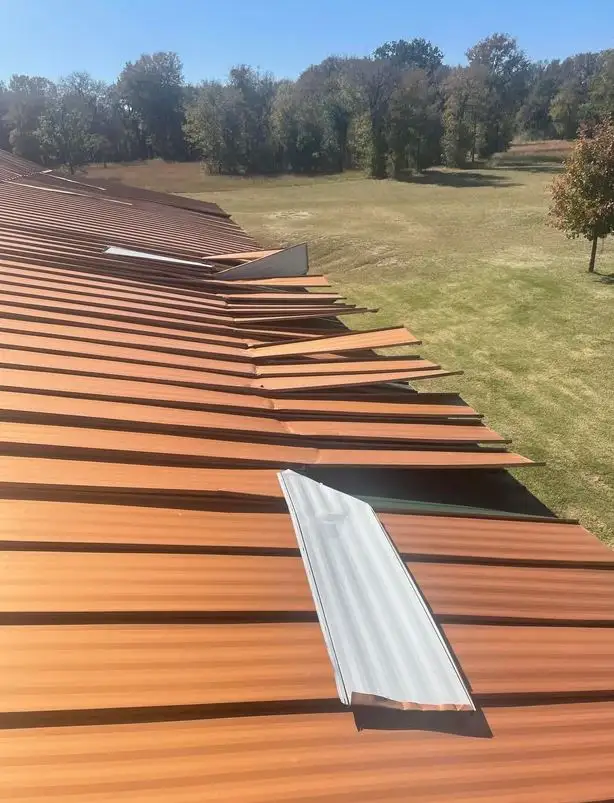
Metal roofs are prone to denting and damage from hail, branches, or foot traffic, especially when thinner, lower gauge metal is used. Even small scratches can gradually lead to significant rust formation over time.
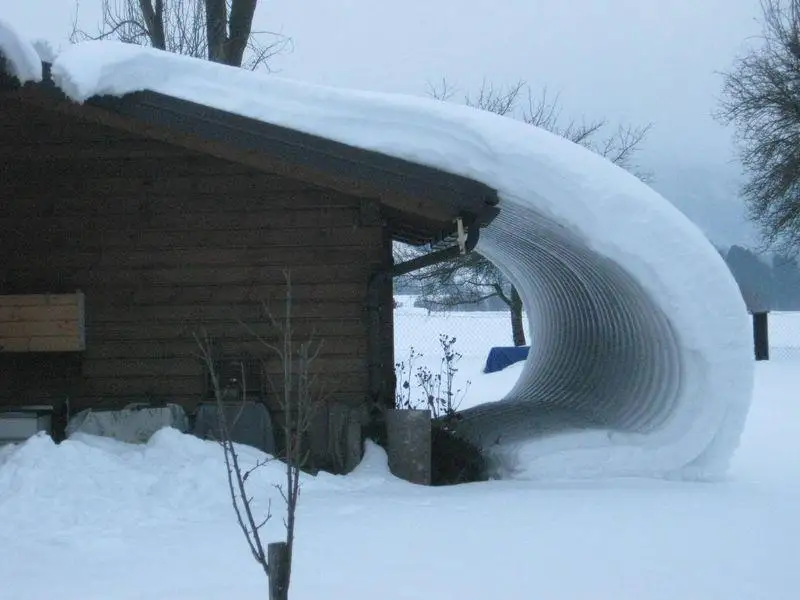
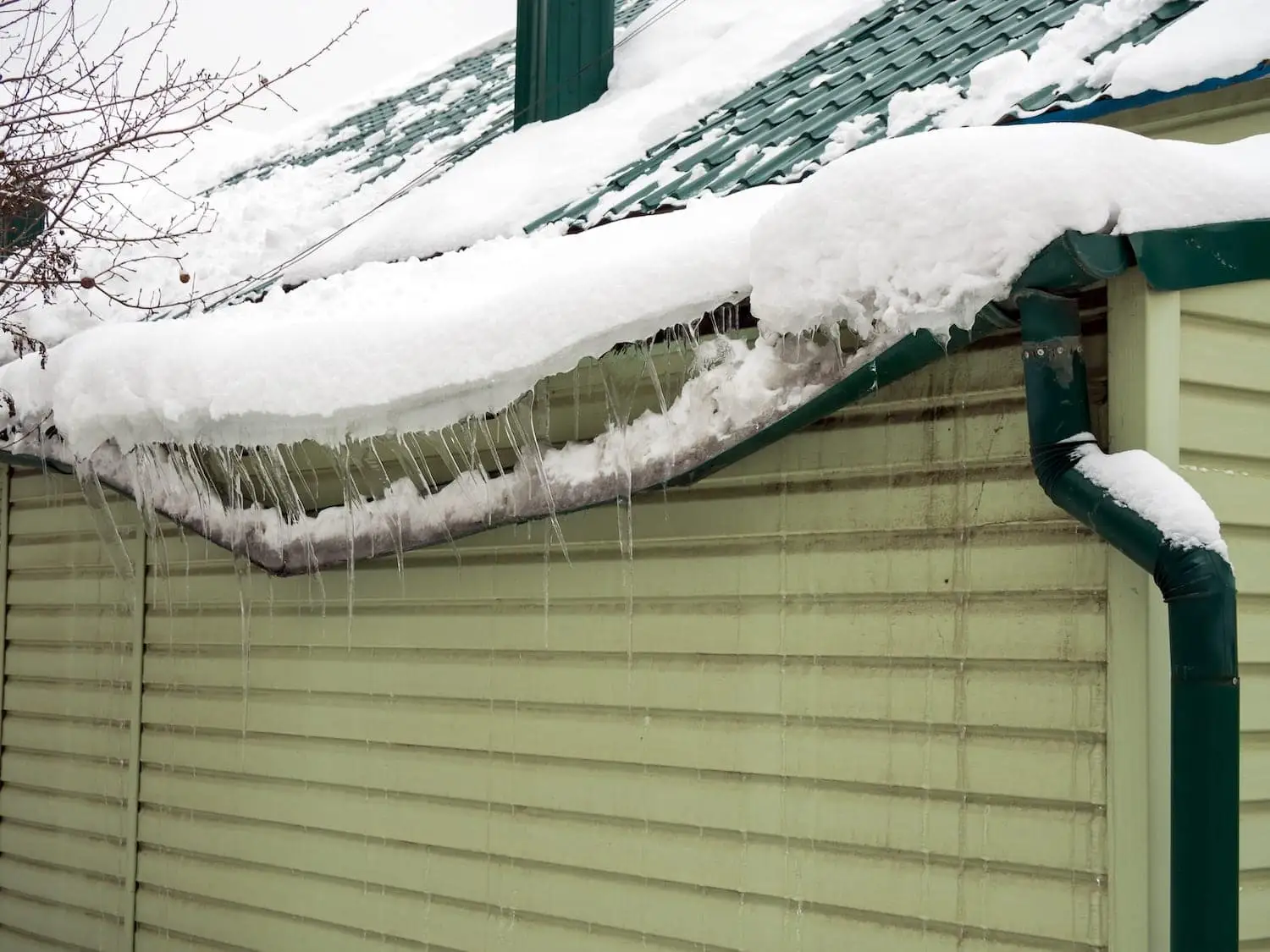
Metal roofs often require the installation of snow guards (“snow shoes”) to help prevent damage from ice and debris and to reduce potential liability from sliding snow, ice, or other materials. Metal roofs are more likely to cause damage during winter weather events.
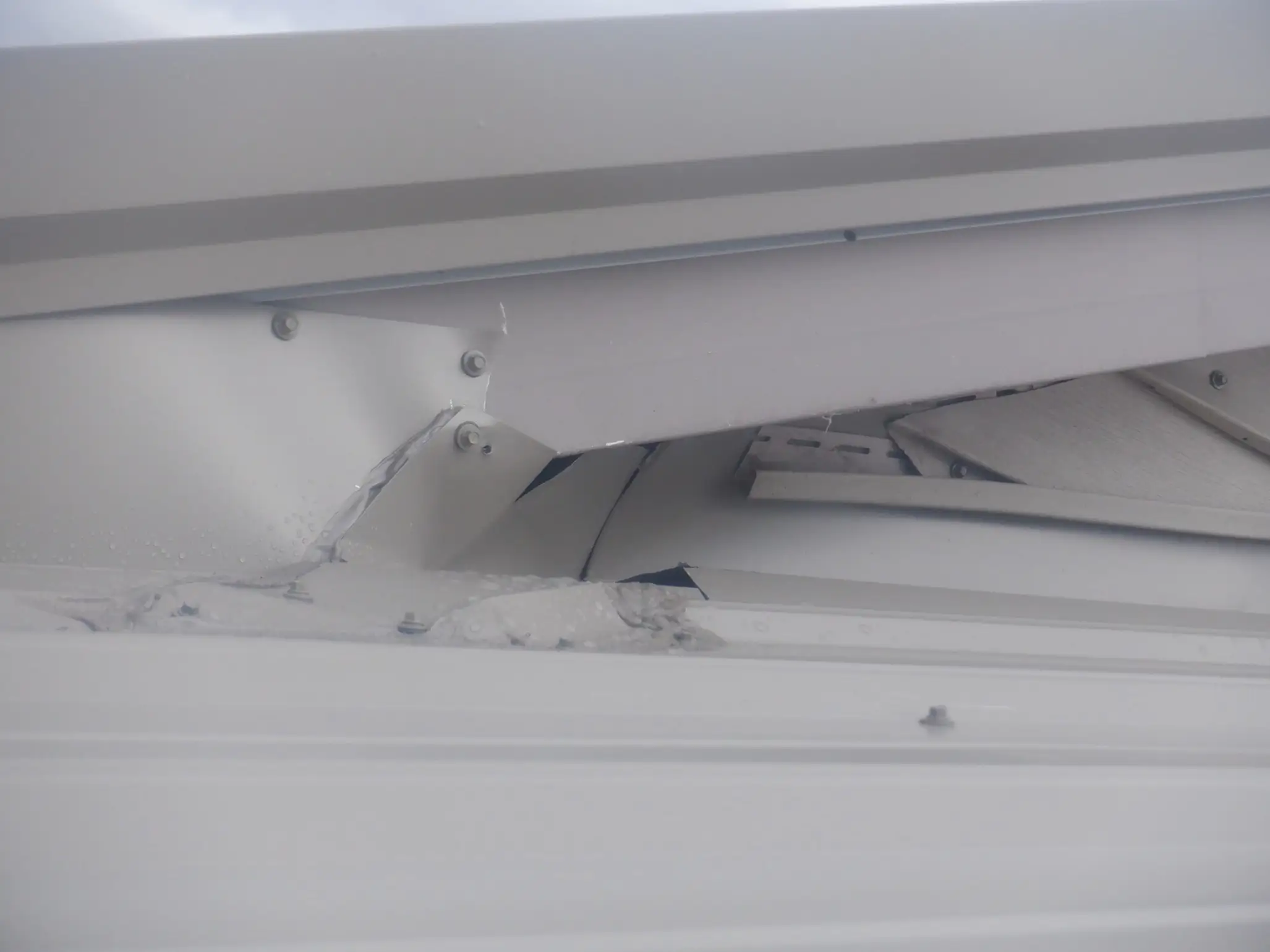
Metal roofs are generally more challenging to repair than shingle roofs. Key difficulties include accurately identifying the source of leaks, fixing corroded or worn fasteners, and preventing future leaks that can occur when incompatible materials are used. These factors often make repairs more expensive.
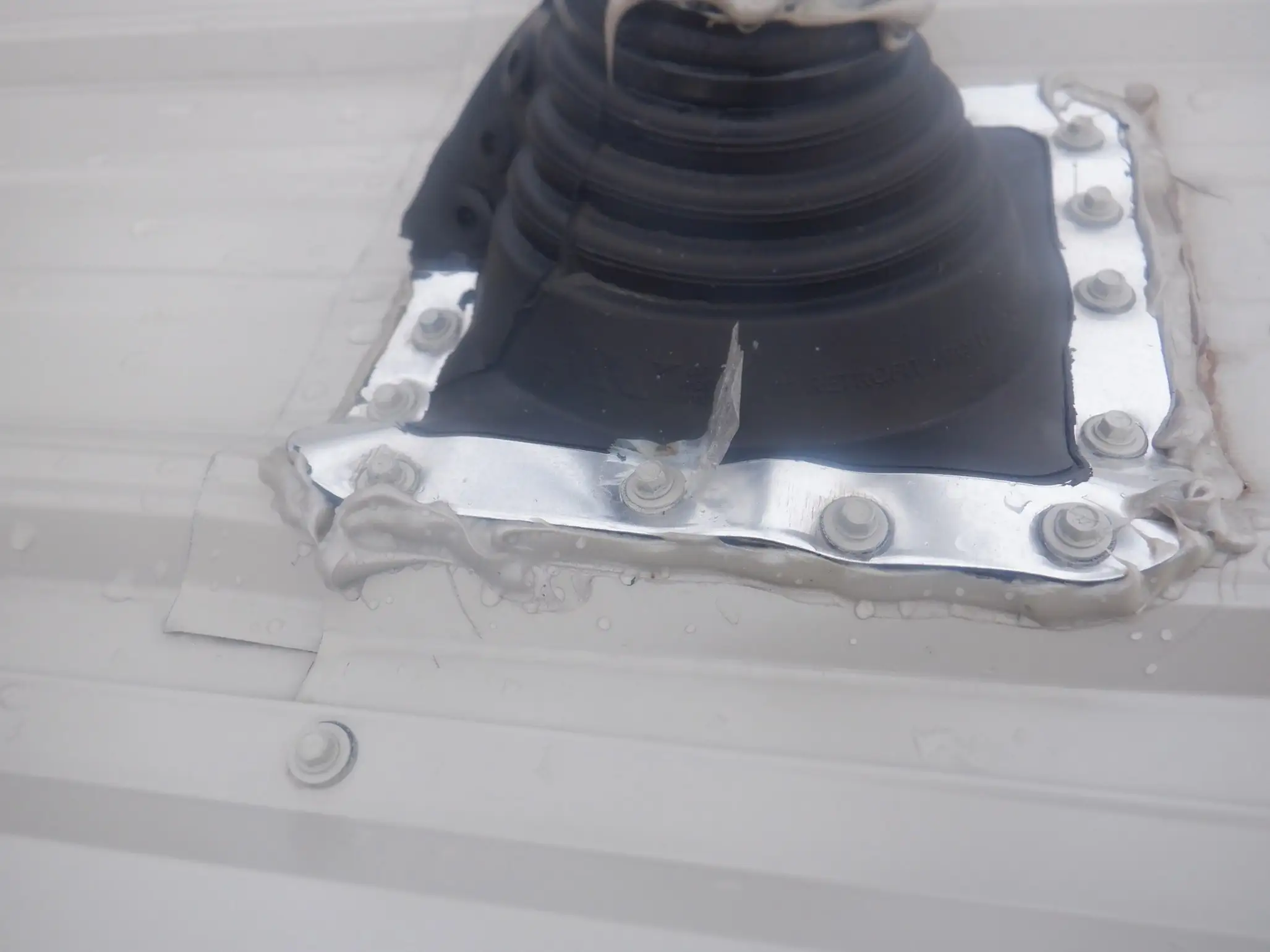
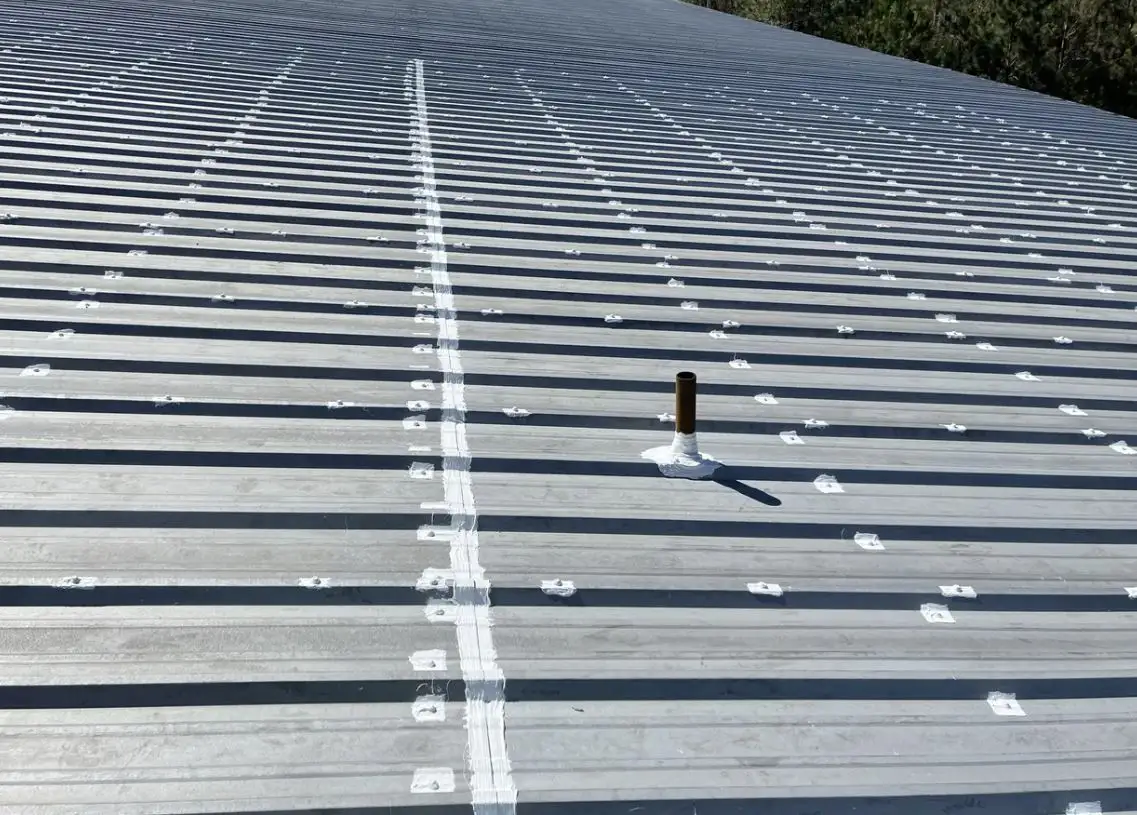
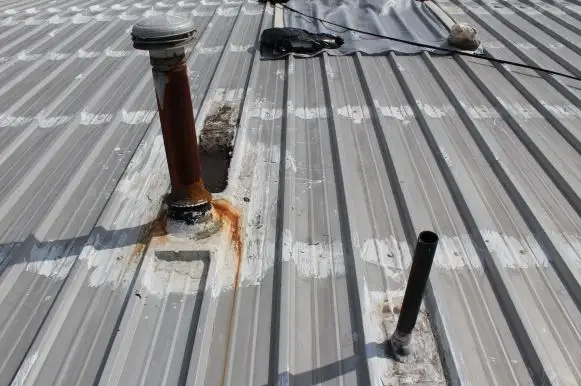
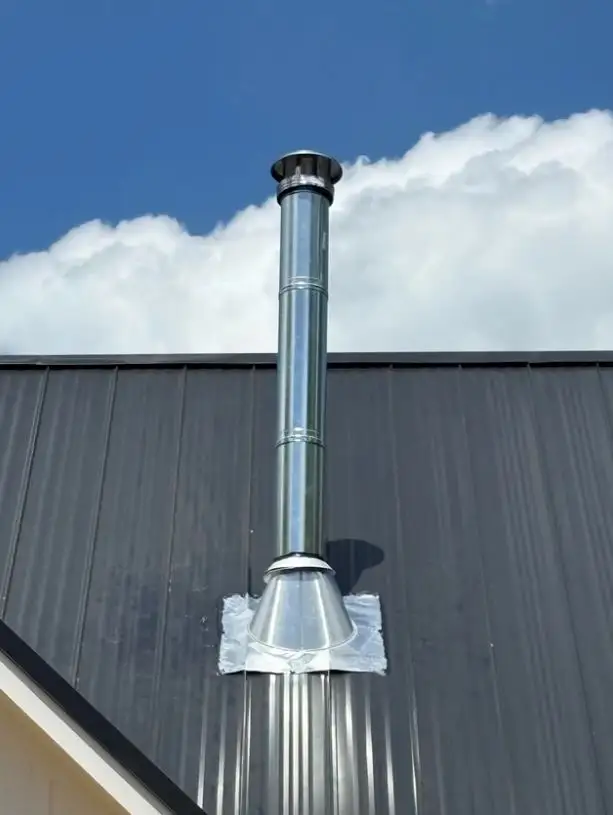
Most roof flashings are not designed to fit the ribs of metal panels, which can lead to potential leaks and the use of visible, unsightly sealant.